Virtual Blog Tour Monday

Blogging is not a solitary effort or work that exists behind a glass, where writers watch in silence as audiences read, critique and praise their work. Instead, it is a community, and to be a successful blogger, you have to join the party – not just sit in the corner and wonder when someone will come and talk to you.

For this reason, I am participating in Virtual Blog Tour Monday, an effort which I was asked to participate in by a fellow blogger where we talk about what’s going on with our writing and give you some inside looks while introducing you to three other binge-worthy blogs to check out when you’re bored at work.
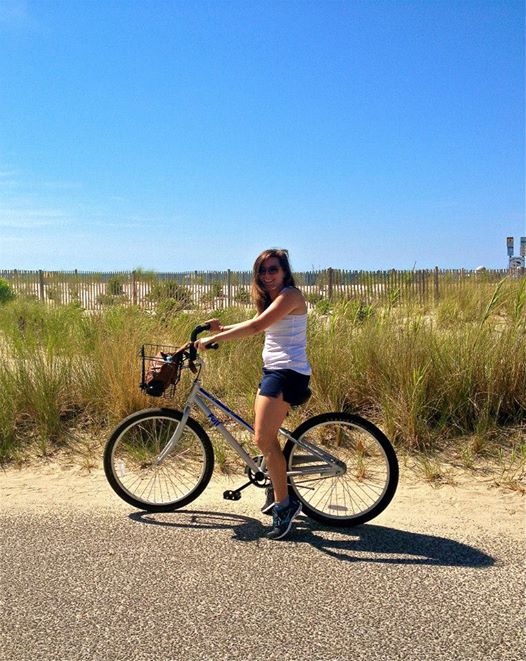
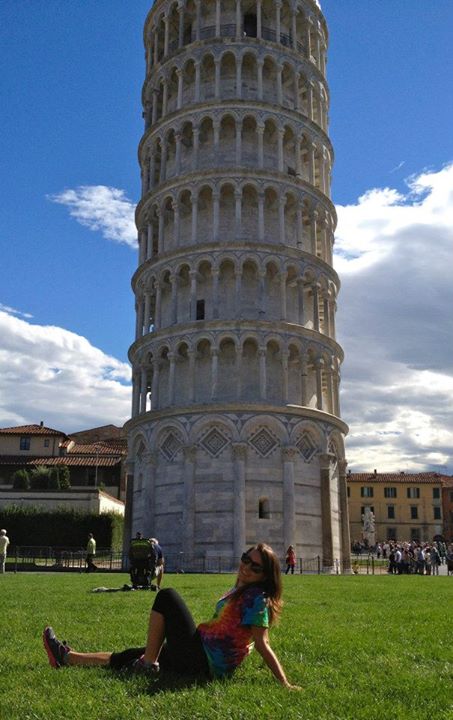
me

1. What am I working on? Although I enjoy being a part of the WordPress community and getting and giving feedback to writers and readers who love the process as much as I do, at this point, I want this blog to be the takeoff point to more travel writing work. By using clips and ideas that I have written for Circus, I want to do more freelance work for travel websites and magazines and get out so I can not only improve my craft, but I can circle it back and gain a larger following for Circus as well.

2. How does my work differ from others of its genre? There’s a lot of stuff out there on luxury, high-class travel, travel for families, or travel for partying college kids. However, Circus is about the thrill of nomad travel – the joy of not knowing where you’re going to sleep tonight or what odd characters you’re going to come across on your journey. Dirty, backpacked kids deserve an intelligent guide too.

3. How does my writing process work? I think about travel pretty much all day long, everyday – so when the next week comes about and I know it’s time for a fresh post, it isn’t hard for me to scavenge my ideas together and craft a post that focuses on a particularly charming destination, wise travel tips, or interesting observations that I’ve picked up. I follow basic journalistic standards through my formal training at Monmouth University, but at the same time, I make an effort to use my human voice and let this be my own space.

4. Why do I create what I do? Back in the day when I came to the rather obvious conclusion that being a travel writer would be the best job in the world, I also quickly realized that National Geographic wasn’t going to instantly allow me to tell everyone about where to find the best cannolis in Florence. I needed my own outlet, and I found that here – a place to share work and ideas without the fear of failure while also enjoying a space to look back on how I’ve grown as a writer…. and all the sweet places I’ve been.

Check out these three other awesome blogs…

1. Fiona Andrews

Fiona is an itinerant barefoot yoga teacher who never manages to stay in one country for more than a few months at a time. Recently transplanted from southern India, she is still enjoying the novelty of amenities like electricity and indoor plumbing. When she’s not sleeping in an airport during an agonizing layover or helping her students into kickass headstands, she can be found growing her content marketing business or climbing a nearby tree.

A Day In the Life of a Yogi in India

10 Things To Get You Through 32 Hours of Travelling


2. Fabulously Disheveled

Amy Wray is a lifestyle and fashion editor, writer, and personal blogger. She’s hip to all things pop culture and loves champagne, chihuahuas, and reality tv.  

Swimsuits in Every Size That Are Pool Party Perfect

Trend: Statement Ankle


3. Like I Said…

Tamara “T” Braunstein is a journalist and writer by training and passion, currently working for a PR firm in Chicago, IL. A native of Seattle, WA, she adores the West Coast and thrives on adventure, the outdoors, and contemplating and writing about life, in all of its shame and glory.

Death of a Friend

The Caveats of My Forgiveness

The Nation’s Oldest Seaside Resort

The Jersey Shore gets a bad rap.

Whether it’s an Ocean Avenue full of bennies, Seaside Heights full of rowdy, drunken teenagers, or Asbury Park’s dirty, needle-ridden beaches, everyone has something bad to say about the famous coastline ruling the East Coast. However, when we think of the biggest cities of the Shore – Wildwood, Belmar, Atlantic City – one place that tends to escape the list is Cape May.

Why is this? Probably because Cape May doesn’t really fit the mold of the typical Jersey Shore beach town. There’s no insane florescent-lighted clubs, bungalows stuffed full of wild college kids or action-packed boardwalks. But this isn’t a reason to avoid the town – hell, if you want those things you can save yourself some Parkway driving and stay more north. However, if you’re bored of the typical dirty Shore beach (not that they aren’t wonderful) then get comfortable in the driver’s seat and find out why Cape May stands apart from every other boardwalked beach on the coast.

1. The entire city is designated as a National Historic Landmark. Sound lame? Well, unlike the “historical landmarks” your parents dragged you to on the edge of your town to learn about how colonial people made bread or something, the entire city is designated as a National Historic Landmark because of the outrageous concentration of Victorian buildings. Instead of being roped off from tourists with entrance fees tacked on, people live in these 600-or-so homes and they make it count. Wandering through the shady, laid-back town, especially near Washington Street, you’ll quickly notice that these colorful Victorians are adorned with elaborate gardens, eccentric details and people casually enjoying their tea on wrap-around porches. This makes the city feel very comfortable, lived-in, and real. 

IMG_5801

Strolling down Beach Avenue

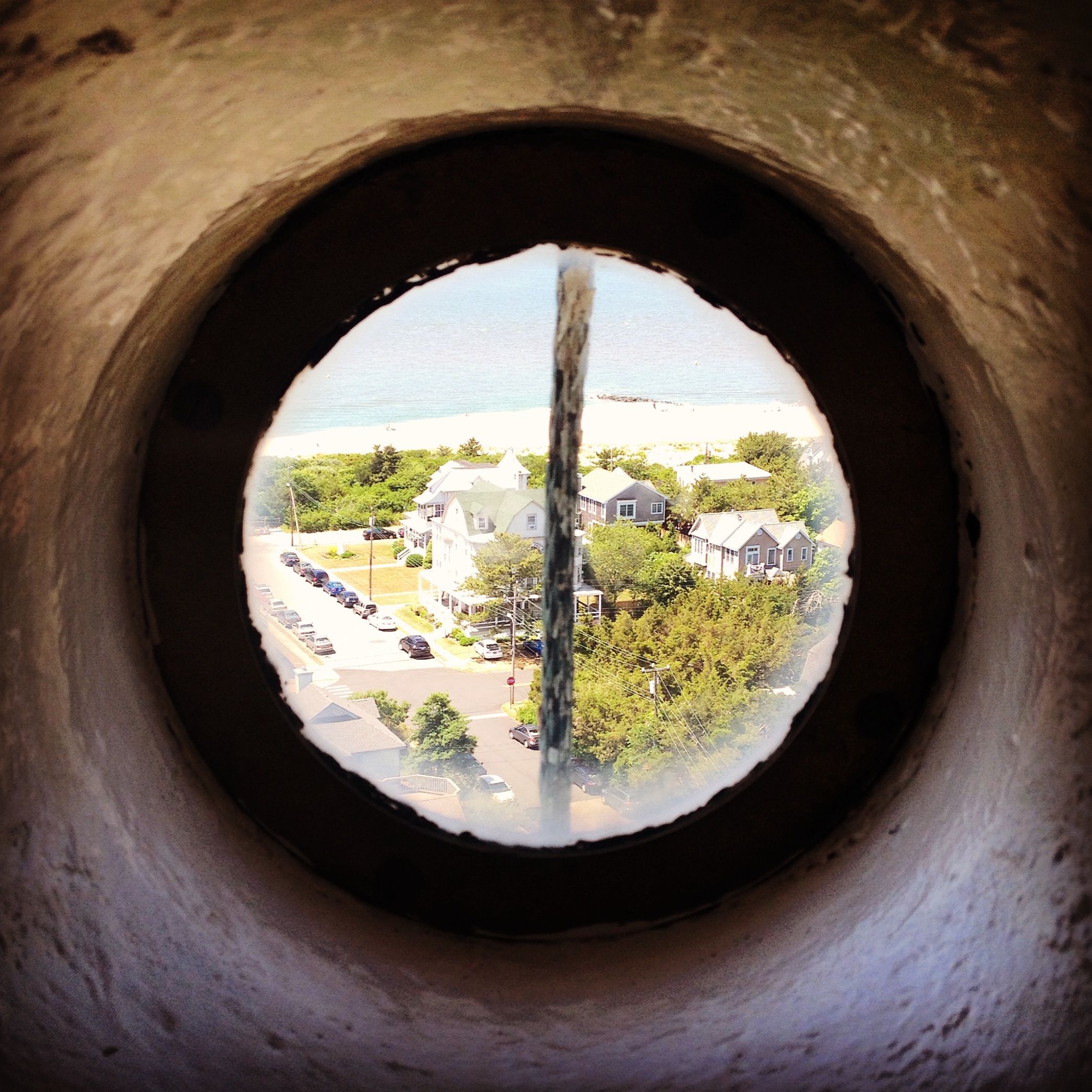
2. The Cape May Lighthouse, over 100 years old, stands noble and dignified. Climbing lighthouses always seems like an activity you do because your parents make you, but climbing the Cape May Lighthouse is a highlight of the city experience. At the top of the lighthouse, built in 1869, you have a great view overlooking the end of the state (and the beginning of the next) where the Delaware Bay meets the Atlantic Ocean and you can check out the surrounding marshlands, where outdoor fanatics bird watch.

IMG_5837

View out of a 100+ year old porthole at the Cape May Lighthouse over the Atlantic

3. It’s a quiet, low-key and romantic beach town. There aren’t too many Jersey Shore towns that can call themselves “romantic” or “low-key” – instead, most are a little cheesy, equipped with their own theme songs, and are muddled with franchises and sticky kids. Cape May, however, with the quiet undertones of Savannah, Georgia or Charlotte, North Carolina, is a hotspot for stately weddings and, thankfully, is fit for adults. A town with pastel Victorians, quiet and cool streets, weeping willows and bed and breakfasts is made for romance. Embrace the sentimentality by going on a beach bike ride down Beach Avenue or going for a $6 wine tasting at the Cape May Winery.

IMG_5838

An afternoon wander down Washington Street

4. The city boasts the cleanest beaches around. It’s probably in part because the neat and tidy beaches, such as Higbee Beach or Poverty Beach, cost $6 a day, but nonetheless, the Natural Resource Defense Council has designated the 24 Cape May beaches one of its 38 locations of “Superstar Beaches” due to the quality of the water. You won’t run into any plastic bags or trash on Cape May beaches and, a rarity on the Jersey Shore, you won’t have to worry about any gross contamination here. Cape May feels very clean, luxurious and exclusive not only due to the beautiful homes and hotels, but also because the star attractions of the town stay neat and tidy.

IMG_5741

Cape May Point beach is one of the city’s most residential beaches

5. Cape May has got some great dining, shopping and staying. No need to rent a room at the Marriott around here – instead, take advantage of the many antiquated bed-and-breakfasts that ooze regality and charm. Most have their own legends, ghosts, themes and quirks. The same goes for Cape May restaurants in shops – you won’t find too many chains or franchises, but instead, lots of family-owned places that have been run by the same families for decades where you can find some interesting stuff and stellar seafood.

IMG_5766

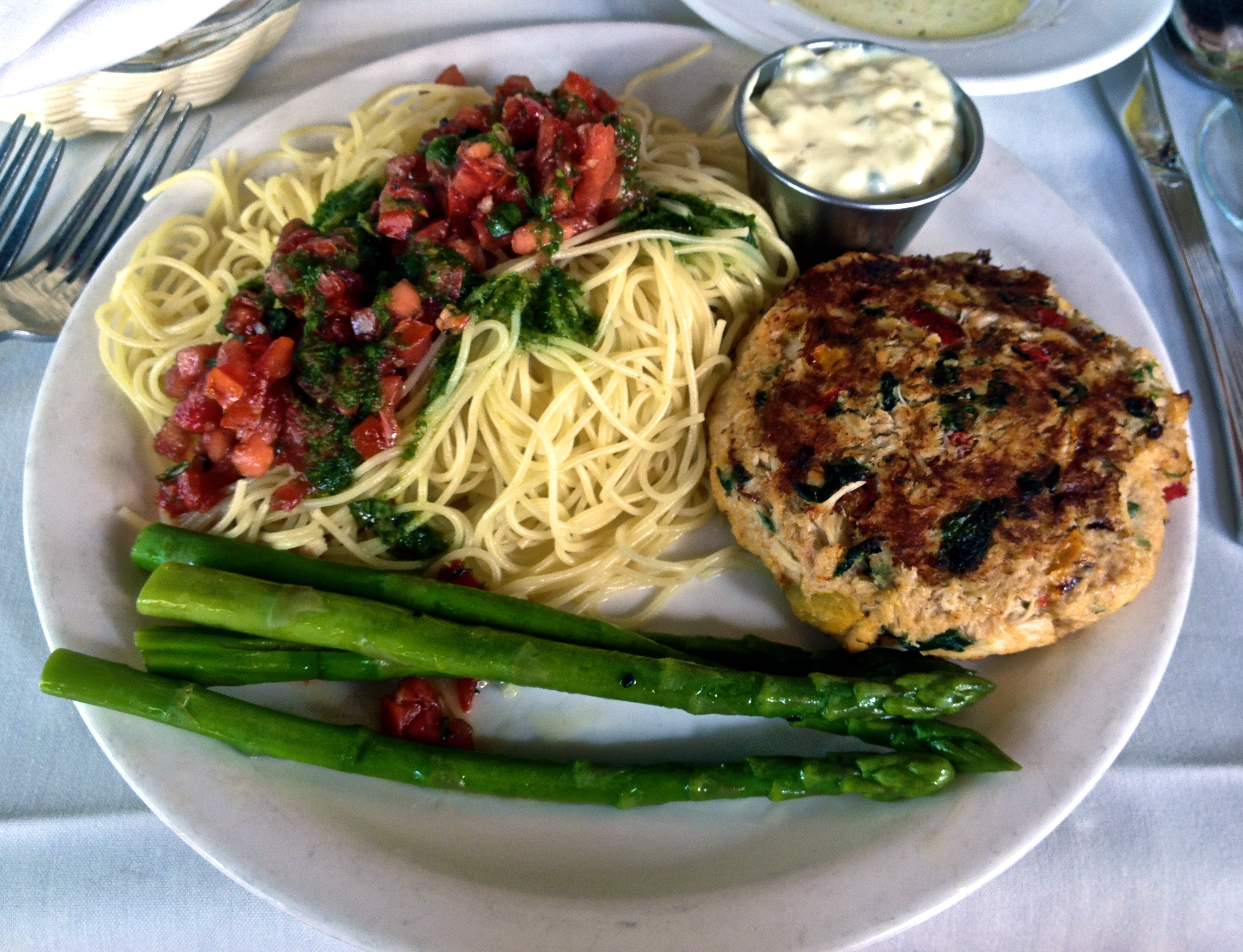
Lunch at A Ca Mia, Italian restaurant and bakery at the Washington Street Mall

The Shore Was Made for Scavengers

Following my graduation from the Jersey Shore beach paradise that is Monmouth University, I did the most reasonable thing and I could think of rented a house a block from the beach for the winter with no job prospects in sight. What could possibly go wrong?

As I signed my name in blood in that overly-air-conditioned Century 21 office three months before graduation, I knew, as a hopelessly logical human being, that what I was doing was stupid. I was panic-struck I wouldn’t be able to afford my rent, I was petrified that it was much more difficult than I had imagined to find a job, and I knew that employment down by the shore was few and far between. However, that panic was outweighed by an even greater fear – that of returning to the mountains with my parents. I hoped it would all just work out. 

I couldn’t even bear the thought of leaving my one true love, the shore. I couldn’t imagine not hearing the waves as I slept or taking an afternoon walk down Ocean Avenue or staying with all my beachrat friends in one-square-mile seaside towns. I literally didn’t know if I could fathom the loss of the paradise that I had grown accustomed to for the last four years.

1

So I signed, and nine long months proceeded to drag by, similar as to how I dragged my tattered suitcase on the floor back-and-forth and back-to-forth from my dream-like beach home to my new-found place of employment… two hours north.

Even though I had fun (on the weekends) – I enjoyed long crisp runs on the Long Branch boardwalk, supplied a boarding house for my backpacked friends, and wandered to my favorite seaside bars and restaurants only miles from my house – the whole debacle was a nightmare. I totaled my car, put 9,000 miles on my new car in six months, spent money people spend to live near their jobs only I lived two hours from my job, and pretty much gave up my life for a constant view of the ocean. It was not worth it. It did not all work out.

I grew resentful of the place that I loved. I angrily drove down Ocean in my 9,000 miles-older car, glaring at the winterized and empty version of the place that used to be mine. I probably spent most of my time in my room, drinking wine alone and packing my things for the next journey north, which came every four days at which point I would camp out at my mother’s home for three days (an hour and a half away from my work also) before returning back to the shore.

But, thankfully, all bad things must come to an end. The lease ended, I got a new job, and… I moved back to the mountains. With my parents.

This transition seemed equally daunting. Move home? Back to the middle of nowhere? With my… mom? Oh god. Why life.

However, the summer started up quickly and my friends rallied me to their places in Seaside, Point Pleasant and Long Branch. Most weekends, I run around my room, eagerly throwing my belongings into a patched backpack before getting in my car and eating my dinner on my lap so I can make it to my friends’ homes before they go out for the night. I sleep on dingy basement couches, I eat Jersey bagels from my driver’s side, I shower at the beach, and… I’m so happy. 

Things will probably change once the summer hoopla wears down and I miss my beach (and my old reliable beach house) once again, but for now, I think a lot of the shore appeal for me is the nomadic pull of it all.

Part of the fun is wondering on Friday afternoons, How am I going to get there? and Where am I going to sleep? I kind of like trying to find a secluded spot to change clothes in my car or sketchily sneak into bathrooms. I like not knowing when my time in paradise is going to end and who I am going to end up seeing from my favorite spot on North Beach. If paradise becomes the everyday, is it still paradise? If it becomes your home, can you resist not taking it for granted, not counting its flaws? Can you get sick of the most stunning window view you could ever think up?

I really don’t know.

But what I do know is that the shore was made for scavengers with backpacks in their cars and dirt on their faces… which is why that’s where you’ll find me every weekend, every time.

Be Your Inner Crazy Grandmother Dentist

When I asked my 75-year-old grandmother if she wanted to visit me in Florence, Italy for the weekend, I didn’t really think she was going to say yes.

It wasn’t that I didn’t want her to visit – hell, the more the merrier when you’re running around Europe armed with only a reusable water bottle and a Wal-Mart backpack – but realistically, why would someone choose to fly 5,000 miles and spend around $1,000 for one weekend, especially at an age when most are packing their bags for the nursing homes?

But she did say yes, and even better, she flew to Bergen, Norway first to spend some time with the fam before hopping on the next flight to Florence where we visited the Perugia Chocolate Festival and bought obscene amounts of Baci, hung out at the Boboli Gardens and basked in the sun, and spent our (few) evenings at local trattorias, drinking fine wines on the house with the friendly owners.

Perugia

I can’t say I’m really surprised at the fact that my grandmother wore me out, a freshly energized 21-year-old, when after being divorced from her husband and house-wifery around 40, she headed back to school to become a nurse, moved to Florida, and still works as a nurse today as she takes her time off to hop around Europe and skiing in the West.

I won’t lie – I don’t see or speak to the lady very often and when birthday cards come around, they’re regularly empty. Even though I have family members who are spiteful of her absence, I have to hand it to her – she’s living the dream at 75. Missing out on it at 25 was never a reason to mope.

When people are young, they make a lot of excuses not to travel. When I was in school, students I knew made studying abroad to be this huge endeavor, when really all it took was a summer of extra shifts at the diner, some responsible saving and papers to fill out. Even though it’s these kids who have the real opportunity sitting right under their suitcases, I’m beginning to see it’s the more seasoned citizens who take advantage of their time by spending it all where it counts.

My friendly neighborhood dentist is also in his 70’s, yet he spent the last weekend before Good Friday in New Orleans, dressed to impress and rummaging the streets for Mardi Gras. It’s actually pretty difficult to get an appointment with him because he’s always away in the Galapagos Islands, Venice, or Thailand, armed with his camera so that he can print out his professional-quality photographs and hang them all over his office ceiling (for patients staring up at it from the dentist’s chair). I actually feel pretty guilty when he asks me “What’s up?” and I have nothing to say yet he responds that he spent last week in Aspen or visiting his son in Hawaii where he works as a scuba instructor. Oh, and he also runs a Christmas tree farm…. in his spare time.

It may be because they feel they’ve deserved this time after a lifetime of raising their bratty kids, it may be because they finally have the cash, or it may be because they’re realizing they spent too much time sitting at a desk under florescent lighting and it’s time to make up for those years. Whatever the reason, if my 75-year-old grandmother can hop on an international flight for some stellar pizza, so can you. Learn from your elders and take the time to do what you want now instead of making up a new excuse for every decade of your life. Be your inner crazy grandmother dentist.

Perugia 2

Why I Love Being Poor

“Jen, I could seriously hook you up in a heartbeat,” says my father. “Why the hell wouldn’t you want to work on Wall Street?!”

Like everybody else who has ever existed, I would love to dine with millionaires on two-hour lunches, drive a red Ferrari, and wear $2,000 shoes… from nine to five, Monday through Friday. As Jordan Belfort so kindly pointed out in The Wolf of Wall Street, “I’ve been a rich man and a poor man, and I choose rich every time.” I, too, have been a rich woman and a poor one (although not quite as rich as Belfort) and although I relish extensive shopping trips and boat outings, there is one occupation that I feel is better off experienced as a nomadic, dirty being – and that is of a traveler.

45

I’ve stayed in fancy chain hotels in Budapest and hairy hostels in Milan. Although I kind of remember laying in that Budapest Marriott and watching some Disney movie on TV, I can vividly recall the off-green Italian hostel with pubic hairs littered on the itchy twin bed next to the barred window. I remember sitting up at night, wrapped in my sweats, trying not to touch anything as I listened to the drunken tourists stumbling home from outside. I remember spending the day being dirty, wandering Milan with a backpack strapped on wondering where I could pee. At the chance of sounding like your mom, being a poor traveler makes you interesting, resourceful, and perhaps most appealing, the most captivating storyteller on this side of the Atlantic. 

I’ve purchased overpriced designer dresses in Madrid and lost my shoes at the airport. That navy blue dress still sits like-new in my closet from four years ago, a little too European and expensive for anything casual here in the States. However, my $20 brown boots from Kohl’s ventured Italy years later, stomping the cobblestone streets during the night many times over before eventually falling to pieces at the Amsterdam Shiphol Airport. It’s the cheap items that become priceless; living out their days being worn and being useful before dying a noble death most likely outside of the confines of your closet.

I’ve met rich Columbians with closets as big as my room and dirty Australians who spend their days wandering shirtless. When we think of the rich and powerful, our minds default to thinking of their exciting lives jet setting the world, eating the finest food, and rubbing elbows with the coolest people. In reality, it’s the nomad travelers that do this without ever having to fake one sentiment. I’ve met countless backpackers who spend their days with smiles on their faces picking fruit, bar tending, and food running as they see countries that others don’t even consider as destinations. It’s these behind-the-scenes people that live the real adventures, not the ones who have never had to leave their comfort zone.

I’ve eaten “top-notch” food at the finest restaurants in the world and home-cooked stews on grandmother’s porches. It’s undeniable that $100 steaks and the rarest wines aren’t scrumptious, but when you leave, what else do you have to say but Wow that was a great steak but now I’m out $200? When I think back to my most memorable meals, I don’t think of these gourmet pastas at tourist spots but instead I remember the nights I spent on Norwegian porches sampling home-cooked elk and whale with a view of the fjords below. Food needs a story – something you won’t find for many restaurants in the guidebook.

Being rich is great when you’re a shopper, great when you’re a businessperson, and great when you’re trying to impress the flavor of the month. But when that time comes around when it’s my turn to see the world once again, I prefer to revert back to the filthy nomad I am at heart.

The Tourist Pieces to Pack on Your Journey Abroad

If you’re an Internet hound (and a travel junkie) like I am, you’ve probably seen oodles of stories about why you should put away your fanny pack, running shoes, backpack, and lame Cape Cod t-shirt and try to “blend in like a local.” It makes sense, right? When in Rome, do as the Romans do, and when in Capri, stop standing around in your binoculars with a blotch of sunscreen dotted on your nose like Nigel Thornberry.

However, even though it’s important to be open-minded, adapt to the culture around you and not wave American flags all over Europe, I don’t necessarily feel like adopting some tourist dress codes is a bad thing. So pull out your guidebook, strap on your sunglasses cord, and read on about what pieces it’s OK to bring on your trip overseas… yet accept that no one is going to ask you for directions in Paris anymore.

1. Sneakers. Since it was 800 degrees in New Orleans the August that I went (as I’m sure it is every August), I obviously packed loads of cute and light sundresses and sandals. Athletic shoes serve as a cardinal sin for dresses. However, one day in, my poor feet were dying from stomping around all day on the concrete sidewalks and cobblestone in the extreme heat. Do yourself a favor and pack one pair of athletic shoes (invest in a pair in a cute color and style if you have to) for that day or two when you literally can’t walk another foot in those precious flip-flops. Your blisters, and your walking tour guide, will thank you.

Image

2. Electronic cord. These look kind of lame tacked onto your iPhone or camera, but when you’re looming over the 300 foot drop of Giotto’s Campanile of Florence, you’re going to wish you had a little assurance that your $500 electronic isn’t going to fall to its sad, sad death onto a pile of unsuspecting high school tourists. Check some out on eBay here.

3. Oversized purse. Back home, if you find me at a mall, restaurant, bar, or anywhere in between I probably won’t even have a bag – I’ll be stuffing my keys and phone in my pockets like a dude. However, abroad is a different story. You’ll never know how much water you’ll have to steal, maps to keep, stuff you’ll buy, or food you’ll get for free. Plan ahead and get yourself a cheap shoulder bag that you can cram all your stuff in.

Image

4. Map and guidebook. I’m going to consider this a piece of tourist attire because every (smart) tourist you see wandering (with a purpose) around Barcelona has one strapped in front of their face. Is everyone going to know you’re not a local when you’re furiously flipping pages to figure out where Park Guell is? Yeah, obviously. But you will find it, and you won’t spend the whole afternoon searching, either. They’re worth the investment (and the lameness).

5. City tee. The truth is that no one wants the magnet, ugly jewelry, weird mini statue of the David, or any other overrated souvenir you were going to buy them. Why? Because none of these items really have any utilitarian value. You know what does? A well-made, kind of funny tee that someone is going to wear to work out, wear to bed, or maybe wear to the airport on their next trip. There’s a reason people hoard their college sports team t-shirts – because we love them. Especially if a tee says “Oktoberfest” on it.

Image

The Best Waterside Restaurants on the Jersey Shore

When you live on the Jersey Shore, summer doesn’t start on June 21, when the sand gets hot, or even when the local pools open up. Beachrats can barely wait for an 80-degree thermometer to tinker on over to the beach (which is why you can spot them surfing in the dead of winter), but instead, you’ll find these dirty combers scouring the sands as soon as the calendar swings over May.

Why? They don’t care if they have to wear jeans to do it – these people want to be on their boats, in the kayaks, hovered over the side with fishing poles, and trotting down the boardwalk with their sloppy puppies – and they don’t want to wait. However, even the dirtiest beachrat needs a nice meal once in a while that didn’t come from a truck, which is why you should check out the below Jersey Shore restaurants in between the spouts of living in your car this summer, especially before all those bennies get down there in mid June.

1. The Lobster House at Cape May Harbor

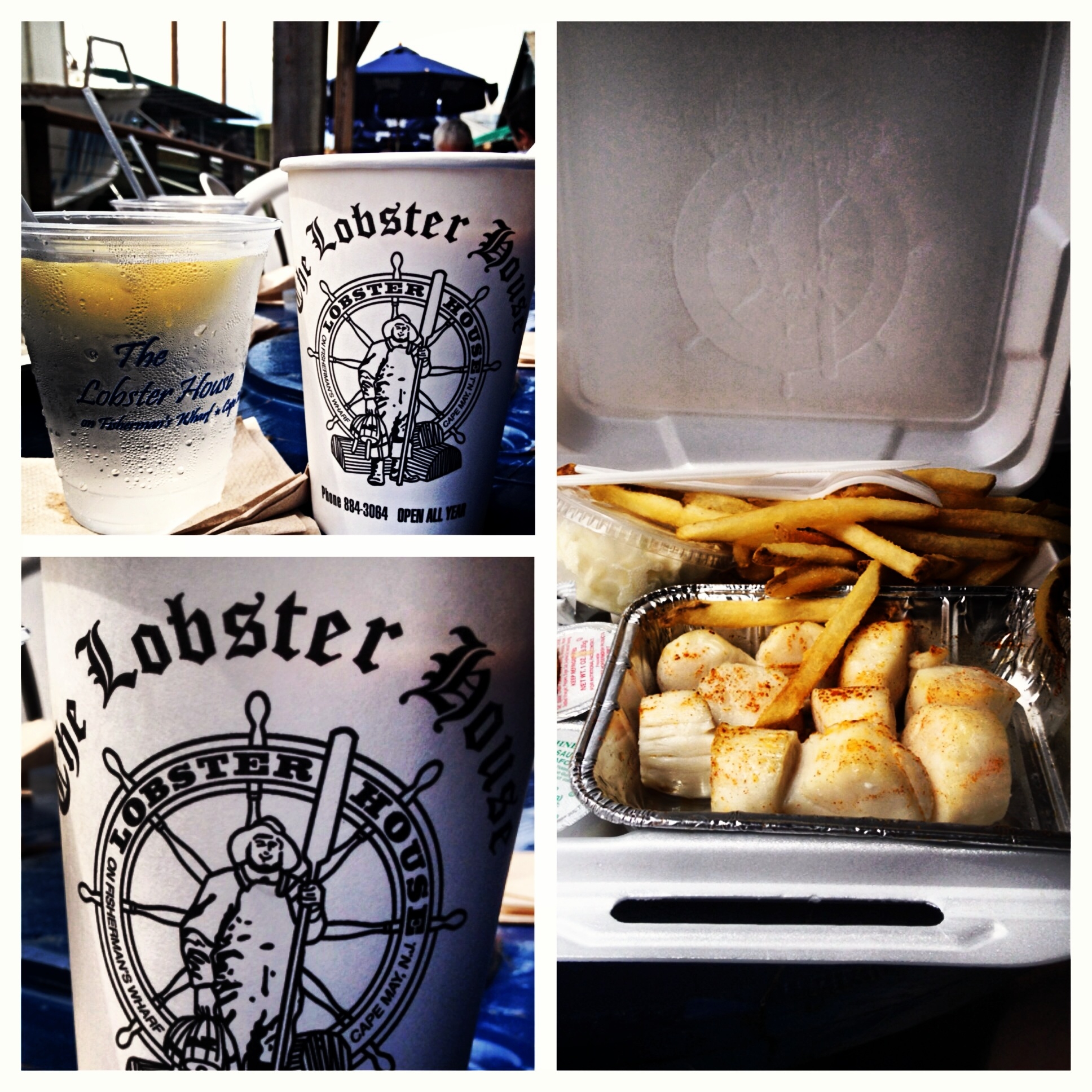
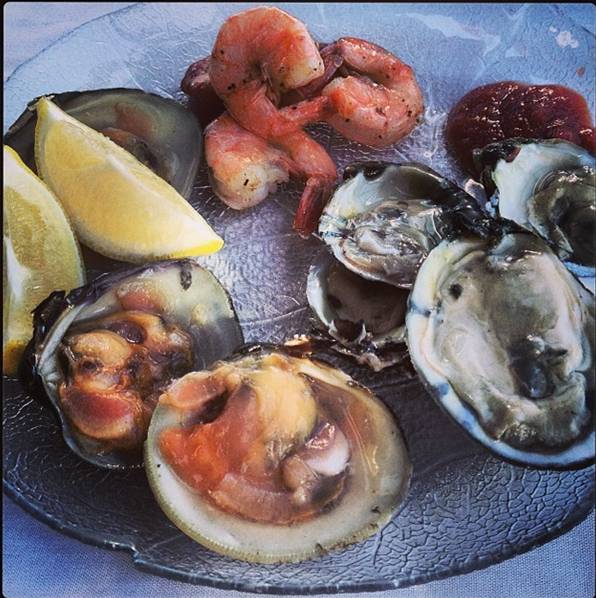
The Lobster House is a staple of a weekend well spent in the southern shores. With a modest price tag for outdoor seating, you can grab some menus, mark it up with your people, and head over to the respective bars to grab your crab cakes, clam chowder, and oysters on the half shell and enjoy them on the deck across the bay from million-dollar homes and yachts and plenty of gulls. The Lobster House is a great alternative to pricey seafood dining with the hometown, lazy feel of a boardwalk restaurant. Learn more at thelobsterhouse.com

image

Photo Courtesy of Ed Morlock

2. Boathouse Restaurant at Wildwood

At Boathouse, choose indoor or outdoor seating for stunning panoramic views of the harbor while enjoying top-of-the-line fresh clams casino, steamed mussels, stuffed flounder, or twin lobster tails. A classier establishment than other harborside seafood restaurants, Boathouse is a great end note when you’re feeling like you deserve to spend a few bucks. Learn more at boathouseonline.net.  

Image

Photo Courtesy of Jenna Intersimone

3. Rooney’s Ocean Crab House at Long Branch

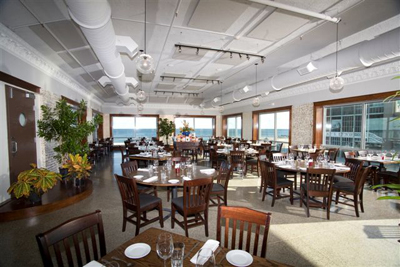
Rooney’s is a top-of-the-line restaurant and raw bar that sits just far enough from the hub of Pier Village while facing the Atlantic in a completely glass-screened seating area. Offering a raw bar, conveniently placed circular bar, private parties, and a truly stellar $30 all-you-can-eat Sunday brunch until Memorial Day that is never crowded, Rooney’s is a great spot for birthdays and anniversaries while also being a go-to for nursing your Sunday morning hangover with a Mimosa and some crab legs. Learn more at rooneysocean.com.

Image

Photo Courtesy of Jenna Intersimone

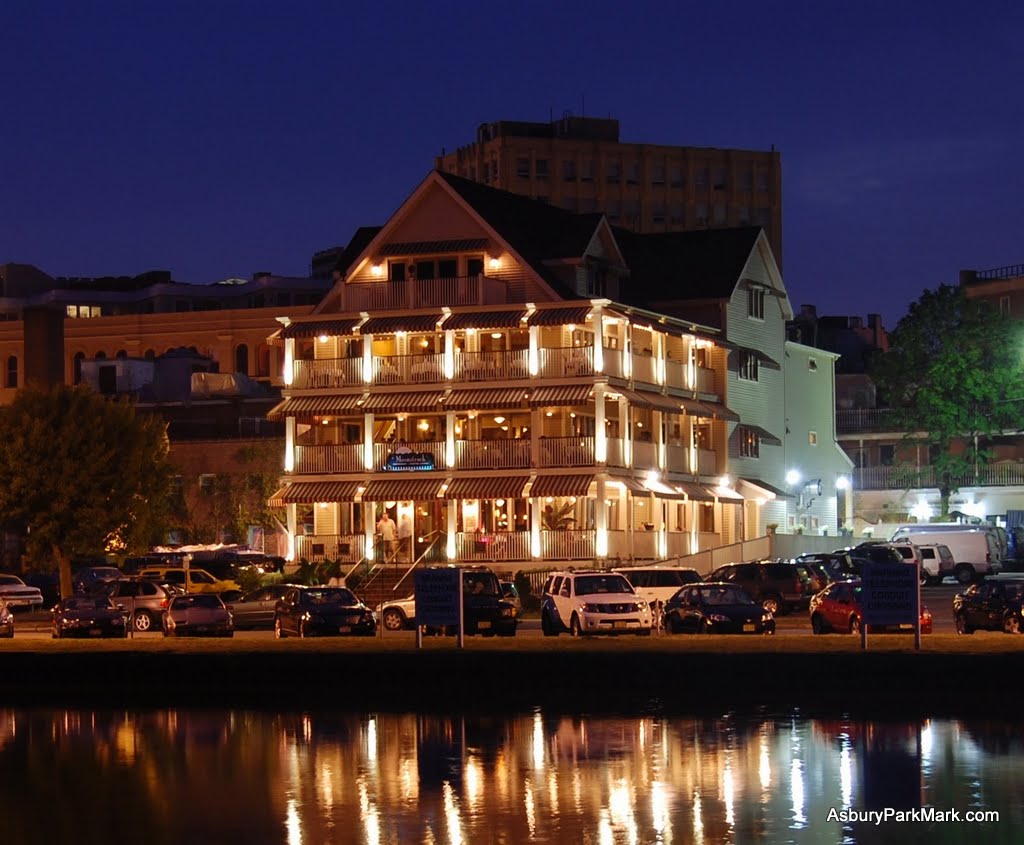
4. Moonstruck at Asbury Park

With an ambiance that doesn’t mimic pinkies in the air or bored businessmen, Moonstruck is reminiscient of an old-school cocktail lounge and restaurant tucked away at the corner of town in a romantic old building. Travel up the hiking steps, grab a bottle of wine, and listen to the insanity of Asbury Park from nearby… in the quiet corner of Moonstruck, equipped with a variation of classic Italian dishes. Learn more at moonstrucknj.com.

Image

Photo Courtesy of oldbridgemusiccenter.wordpress.com

5. Stella Marina at Asbury Park

Stella Marina boasts an extensive Italian menu in a classy, white tablecloth environment overlooking one of the most notorious boardwalks in the United States. With outstanding views of the Asbury beaches below, visitors enjoy some classic Italian accompanied by plenty of wines fit for events such as birthdays, anniversaries, or holidays. Learn more at stellamarinarestaurant.com

Image

Photo Courtesy of restaurantpassion.com


How to Pack Like a Pro

In my current days of adult travel (in which trips are few and far between yet easily financed) it’s simple for me to pull out my biggest suitcase, stuff it full of crap, and be about my way. However, back in my days of being a lost undergrad looking to see the world, this was definitely not the case.

My Wal-Mart backpack, now muddled with the patches of various states and countries and somehow lacking any sort of holes or disfigurements, would be packed to the brim with essentials most Thursday or Friday nights on my newest journey out of town. When I would arrive at my chosen destination and someone would ask me, “Hey, can I borrow your umbrella? I couldn’t fit mine in my bag,” I would sometimes sneak a smile.

Packing like the nomad you truly are requires skill, dedication, patience, and intuition. It is not a task for the weak of heart, similar to travel in itself. If you’re about to fly first class to the Galapagos Islands, ignore this post. But if you’re planning to hop on a bus, then a train, then hitchhike to the nearest hostel with a backpack strapped on, read on.

Image

1. Roll your clothes. Even though they look way nicer when folded, rolling your clothes and tightly stacking them in a suitcase saves a ton of space… as well as the ensuing wrinkles.

2. Put on your heaviest items. This means that when you step into the airport, your biggest boots and thickest jackets and sweatshirts should be on you, not tucked inside your bag.

3. Wear what you know you’re going to wear. A nomadic trip is not the time and place to pack that dress you bought two years ago that you’ve been meaning to wear. You’re just going to end up wasting space and possibly trying to sell it on eBay when you get home.

4. Give space bags a go. Or pseudo space bags since the real thing is kind of pricey for what is a glorified plastic bag. If you’re really looking to save space, buy yourself tons of large freezer bags and stuff your clothes inside and sit on them to squeeze out the air. Prepare to bring extras since they will pop before your journey home.

5. Pack solid items on the bottom. Clothes will morph around, say, your lava lamp, however your bag will not be able to close directly on top of it. For this reason, pack shoes, lava lamps, and other heftier items on the bottom of your suitcase.

6. Avoid packing clothing that only has one purpose. Instead of packing that shirt that you can only wear to a club, pack the tank top that can be paired with a multi-use pair of pants. You need to get the most out of the space that you have.

7. Don’t pack items that are on their last leg out. If you’ve got one pair of shoes packed but they’re clinging to life, the place to kill them isn’t somewhere along your trip to Budapest. Leave them at home and pack (or wear) the item that is going to be reliable.

8. Keep yourself mobile. Even if you can pack a suitcase the size of a small garage, that doesn’t mean you should. No amount of clothes is worth being that guy lagging behind the group dragging your stuff around. It’s uncomfortable and embarrassing. You always want to be able to comfortably carry all your own stuff in one bag and maybe a purse.

9. Pack the night before. Even though it’s sometimes more convenient to wait until the day of, especially if you’re leaving later in the day or you don’t really have a lot of toiletries to leave laying around, pack the night before so before you fall asleep, you can jot down anything you forgot about during the packing process so you can pack it the next morning.

9.  Allot double the amount of time to packing than necessary. For some reason, I always think I’m going to shoot through packing in one hour, although I have literally never accomplished this. Always set aside double the amount of time for unforseen circumstances… like trying to decide if you really need those four-inch wedges.

Image

The Traveler’s Dilemma: Hostels Versus Hotels

Originally posted for MyFunkyTravel.com

When I booked my weekend trip to the Amalfi Coast as a Florence study abroad student, I figured I was making the obvious choice when I chose a hotel instead of a hostel. The idea of a hostel brought forth horrific film images of dingy basements, fake blood, and conniving Europeans. However, upon stepping into a dingy econo-lodge reminiscent motel, equipped with stray hairs and sour milk, it quickly became apparent which was the better choice, especially when checking out the modern, chic, and youth-friendly hostel down the road.

As in all situations, one isn’t always better than the other, however when it comes to backpacking, hostels are bound to be your better bet with a little bit of background research beforehand. So why are these colorful cohabiting pseudo-homes so much cooler and more fun than your run-of-the-mill hotel?

Image

Hotel Verona in Milan, Italy

1. Hostels keep you social. Unless you specially request a private room, normally, hostels bunk you with a bunch of other rowdy travelers like yourself – they usually have between four to sixteen beds per room, although some can range up to 100 beds. For some, this may be a turn-off, but for young backpackers, especially those flying solo, it’s the easiest way to grab a travel buddy and make international friends for the next time you hit the road. What better way to make friends with someone than to brush your teeth next to them?

2. You’ll meet more “travelers” than “tourists” at hostels. When staying at hotels, you’re bound to run into some loud little kids, stuck-up tourists, and confused vacationers. However, at hostels, it’s a sure bet that you’ll be with other adventurous backpackers that you’ll have more in common with and can stay in contact with for years to come. The average age of one staying in a hostel is between 18 and 26, according to Rick Steves, however there is no average age or demographic of one staying in a hotel.

3. Hostels add an interesting new level of surprise to your travels. A hotel pretty much always looks like a hotel, especially if you’ve opted for a chain or you don’t have the dollars to drop on a luxury hotel. However, hostels tend to be more optimized with amenities, activities, and décor related to the city you are actually staying in.

Image

Image of Generator Hostel Dublin, Ireland, Photo Courtesy of generatorhostels.com

4. Hostels tend to run much cheaper. Because you usually share a room with other travelers and they are geared towards younger travelers, hostels are almost always much more cost-effective than hotels, especially if no loyalty points are involved or you’re only staying for a night or two. The average nightly price of a hostel is only between $20 and $40. If you can part with Egyptian cotton sheets and private bathrooms, then the hostel price is worth it.  

5. Hostels tend to be locally owned and operated. If you’re pissed that your room is sub-par and you complain to the desk staff at the local Holiday Inn, the college dropouts at the front desk probably don’t really care. However, when you’re upset about an issue with your hostel, the person you are complaining to (or praising) at the front desk, most likely owns the whole place and they will personally help you handle your issue and can easily change hostel policies to avoid that issue at a later date.

Image

Image of Goli and Bosi Hostel Split, Croatia, Photo Courtesy of whatwedoissecret.org

Crossing Enemy Lines

Now what do you think about THAT, Mr. German?! yells the balding old American man in a tie-dyed shark t-shirt, leaning dangerously over the table facing (who I guess would be) Mr. German. 

For some reason, American cruise lines attract a ton of international patrons, which seems odd to me considering that the whole point of going on a cruise is that you don’t have to do anything besides eat, drink and tan – flying to get to an American destination just to get on another vessel seems counter intuitive. However, regardless of the reasoning, on American cruise lines, Americans are going to interact with Europeans and Asians and Canadians and everyone in between.

For an entire subset of people kind of isolated from the rest of the world from a geographical standpoint, this is actually pretty cool. It’s fun to sit at a table full of strangers and leave an hour later collecting email addresses and Facebook usernames; it’s even more fun to find out what people do for work, where do they live, and what their lives are like across the pond (or a few ponds).

However, this type of interaction may not be suited for all, including who I will consider Mr. Shark (I really would hate to call him Mr. American). When meeting others of differing backgrounds, beliefs, and ideas, regardless of their originating country, it is obviously important to respect those thoughts and respond accordingly, especially if you disagree. (This isn’t kindergarten class and this shouldn’t need to be reiterated from a kindergarten class, but I will). Since there are boundary lines involved here, I actually think it is more important to remain respectful because we must remember that the birthplace of those ideas is extremely different, especially when aboard an international cruise ship or any other cross-lines destination.

So what was Mr. Shark and Mr. German fighting about? Universal healthcare and the effects of Obamacare. If Mr. Shark had cared more about presenting a valid argument, possibly changing the opinion of another, and learning about another’s viewpoint over the ego-boosting feeling of being right especially from an international standpoint, he probably would not have stood up, pointed his finger in Mr. German’s face, and addressed him as Mr. German in his tie-dyed shark t-shirt. Unfortunately, he did.

Although as human beings we have a lot of shared human experiences, we also have a lot of severely seperate experiences based on the country we live in, the taxes we pay, the part of the world we reside in, the car we drive, the work we do, the government we operate under, and a thousand other facts. And although it’s fun and pretty cool to pick out all the quirky similarities we share, it’s important to also remember that there is no need to stick us all in the same box and assume we all think and act the same exact way. Whether we live next door to one another or across the ocean, your experiences and thoughts will never mirror mine – and I like it that way.

As a result, Mr. Shark will never even somewhat understand Mr. German’s viewpoint and Mr. German may not ever understand Mr. Shark’s. Leaving a bad taste in one another’s mouths, Mr. Shark may never respect Germans and Mr. German may cease from respecting Americans, especially if these were their limited experiences of one another’s countries and cultures. Mr. Shark may stray away from visiting Germany and Mr. German may avoid visiting America.

Is this a stretch of circumstances? Yeah, maybe. But the point remains – Mr. German will not forget the time he went on an American cruise line and an old American man in a tie-dye t-shirt stood up and pointed and wagged his finger at him. He may not remember what the argument was, or if his shirt had a dolphin or a shark on it, but he will remember the sheer disrespect and embarrassment at that wobbly table in the middle of the Atlantic. He will remember that it was a tiny American man that did it. And, for the first time in this entire circumstance, it will become blatantly obvious that neither man has had the same experiences which led him to this opinion in the first place.

1